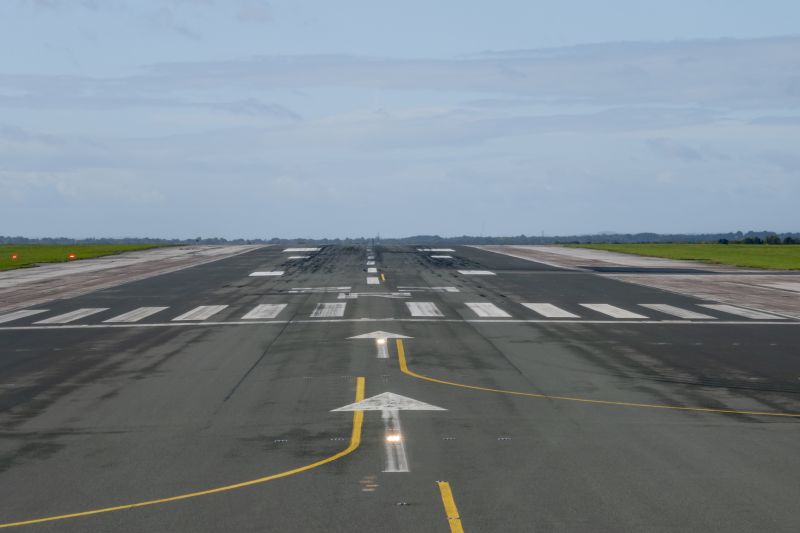
Airport Paving in Little Rock, AR
Airport paving services involve the installation, repair, and maintenance of paved surfaces used for aircraft movement and parking. These projects typically include constructing new runways, taxiways, and aprons, as well as resurfacing or patching existing pavement to ensure safety and functionality. Property owners interested in airport paving should understand the scope of the work, the types of materials used, and the importance of proper drainage and surface grading to prevent water accumulation and deterioration over time.
Before requesting airport paving services, property owners often want to clarify the specific requirements for their project, such as the size and layout of the paved areas, expected traffic load, and any local regulations or standards that must be met. It’s also helpful to consider the existing condition of the surface, potential environmental factors, and the desired longevity of the pavement to ensure the project aligns with operational needs and budget considerations.
Many property owners in Little Rock, AR look into Airport Paving for repairs, replacements, upgrades, and appearance-related improvements.
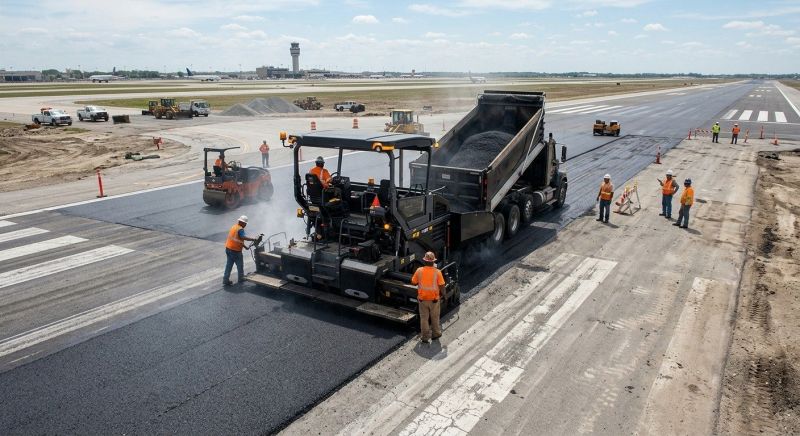
Commercial Airport Pavements
Designed to support high traffic volumes and heavy aircraft loads.
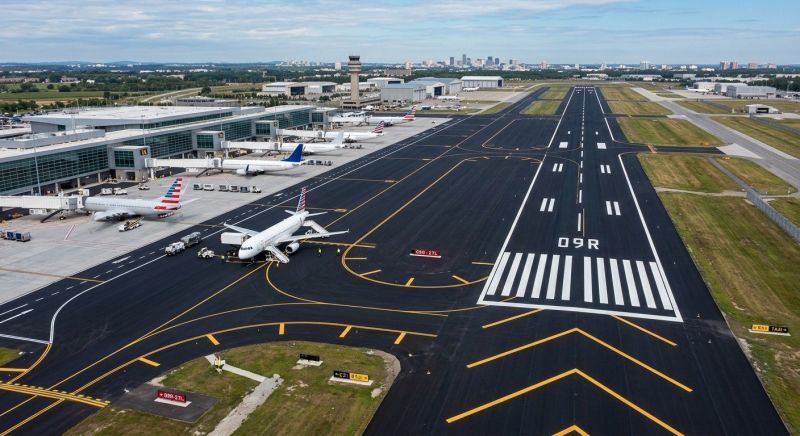
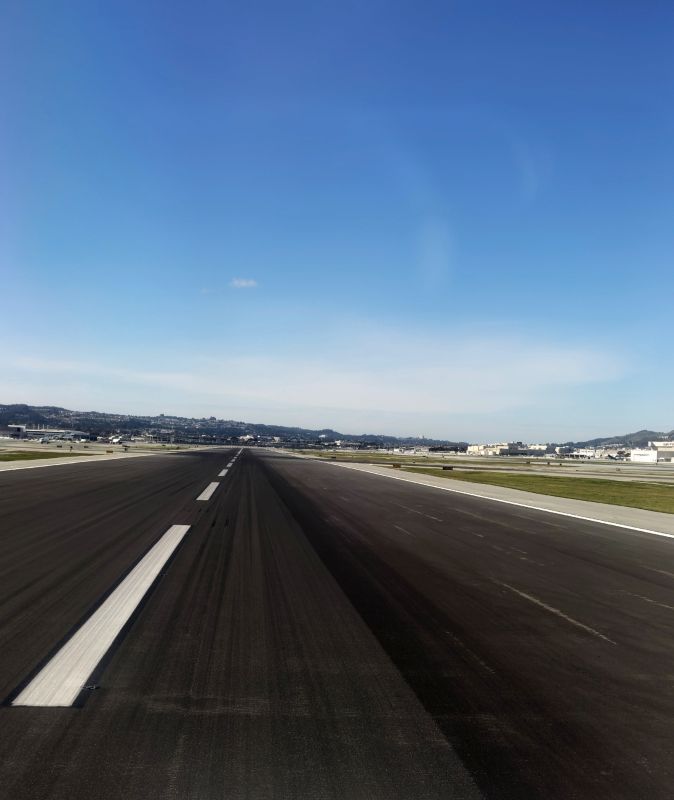
Runway And Taxiway Paving
Ensures smooth, durable surfaces for safe aircraft movement.
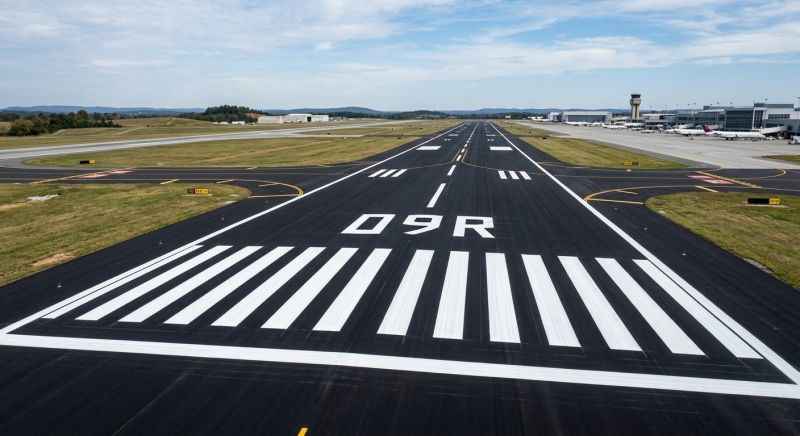
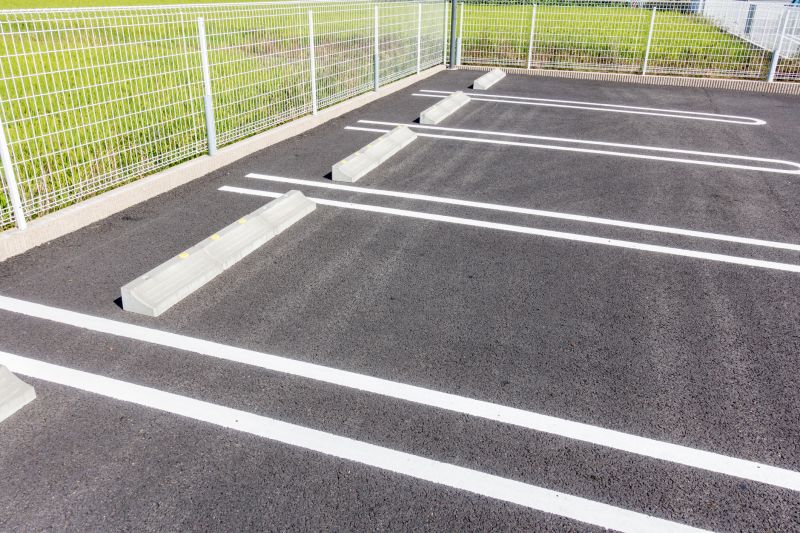
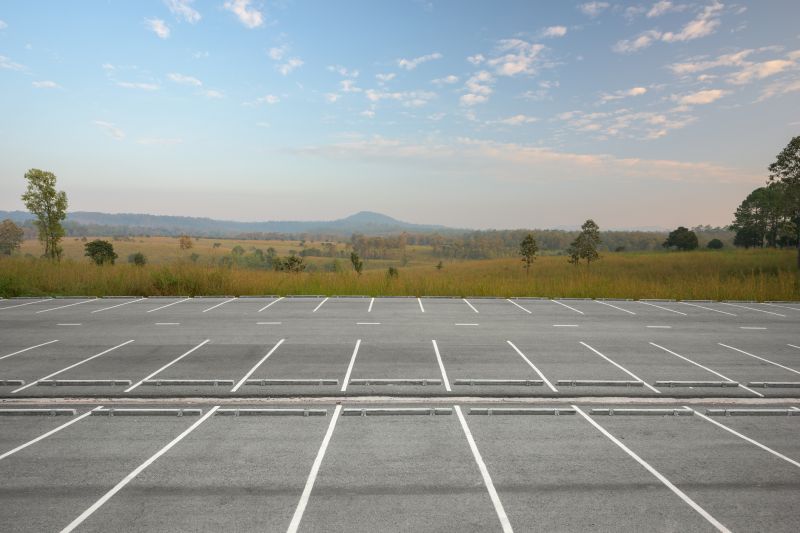
Airport Parking Lots
Provides reliable, long-lasting surfaces for passenger and staff parking areas.
Airport Paving in Little Rock, AR

Airport paving services involve the installation, repair, and maintenance of paved surfaces used for aircraft movement and parking. These projects typically include constructing new runways, taxiways, and aprons, as well as resurfacing or patching existing pavement to ensure safety and functionality. Property owners interested in airport paving should understand the scope of the work, the types of materials used, and the importance of proper drainage and surface grading to prevent water accumulation and deterioration over time.
Before requesting airport paving services, property owners often want to clarify the specific requirements for their project, such as the size and layout of the paved areas, expected traffic load, and any local regulations or standards that must be met. It’s also helpful to consider the existing condition of the surface, potential environmental factors, and the desired longevity of the pavement to ensure the project aligns with operational needs and budget considerations.
Many property owners in Little Rock, AR look into Airport Paving for repairs, replacements, upgrades, and appearance-related improvements.
Common Airport Paving Jobs
Airport paving services - provide durable asphalt surfaces for airport runways and taxiways.
Runway resurfacing - restore worn or damaged asphalt to ensure safety and compliance.
Taxiway construction - create smooth, reliable pathways for aircraft movement on the ground.
Parking apron paving - expand or upgrade apron areas to accommodate aircraft parking needs.
Drainage solutions - install effective drainage systems to prevent water accumulation on paved surfaces.
Site preparation - perform grading and base work to ensure proper foundation for airport pavement.
Airport Paving Questions
What types of surfaces can be paved for airport access? Paving services typically include asphalt and concrete surfaces suitable for airport runways, taxiways, and parking areas.
Are airport paving projects suitable for both new construction and repairs? Yes, paving services can accommodate both new installations and maintenance or repair of existing airport surfaces.
What should property owners consider before starting an airport paving project? It’s important to evaluate the current condition of the surface, drainage needs, and future traffic demands.
Can paving services handle large-scale airport projects? Yes, these services are equipped to manage projects of various sizes, including extensive airport pavement installations.
Request Airport Paving in Little Rock, AR
Use the quote form on this page to share the basics of your project and request more information for the type of work you need.